The night before
- Get your licence out. Put your photocard provisional driving licence somewhere you will not forget it. You cannot take the test without it.
- Glasses or contact lenses. If you need them to drive, bring them, as the test starts with an eyesight check.
- Check the time and plan your morning. Confirm your test time and agree a pick-up time with me so nothing feels rushed.
- Sleep, not revision. Cramming the Highway Code at midnight will not help. A good night's sleep will.
On the day
- Eat something. Even if you do not feel hungry, a light meal helps you concentrate.
- Wear comfortable shoes. The ones you have learned in are best.
- Have a warm-up lesson. A short drive beforehand settles nerves and gets you into the rhythm of driving.
- Arrive in good time, but not so early that you are sitting around worrying.
What happens during the test
The practical test lasts around 40 minutes. It includes:
- An eyesight check, reading a number plate from a distance.
- Vehicle safety questions, known as "show me, tell me". One is asked before you set off and one while you are driving.
- General driving on a mix of roads and traffic conditions.
- A reversing exercise, such as parallel parking or parking in a bay.
- Around 20 minutes of independent driving, usually following a sat nav or road signs.
To pass, you can have up to 15 driving faults and no serious or dangerous faults. In other words, small imperfections are expected. The examiner is looking for safe, controlled driving, not perfection.
If something goes wrong
This is the part I most want pupils to remember. A mistake does not mean you have failed.
Keep driving. Many people convince themselves they have failed over something that turns out to be a minor fault, or no fault at all. Put it behind you, focus on the road ahead, and drive the way you do on lessons.
If you do not hear or understand an instruction, ask the examiner to repeat it. That is completely acceptable and far better than guessing. If you take a wrong turn during independent driving, it is not a fault as long as you deal with it safely.
Afterwards
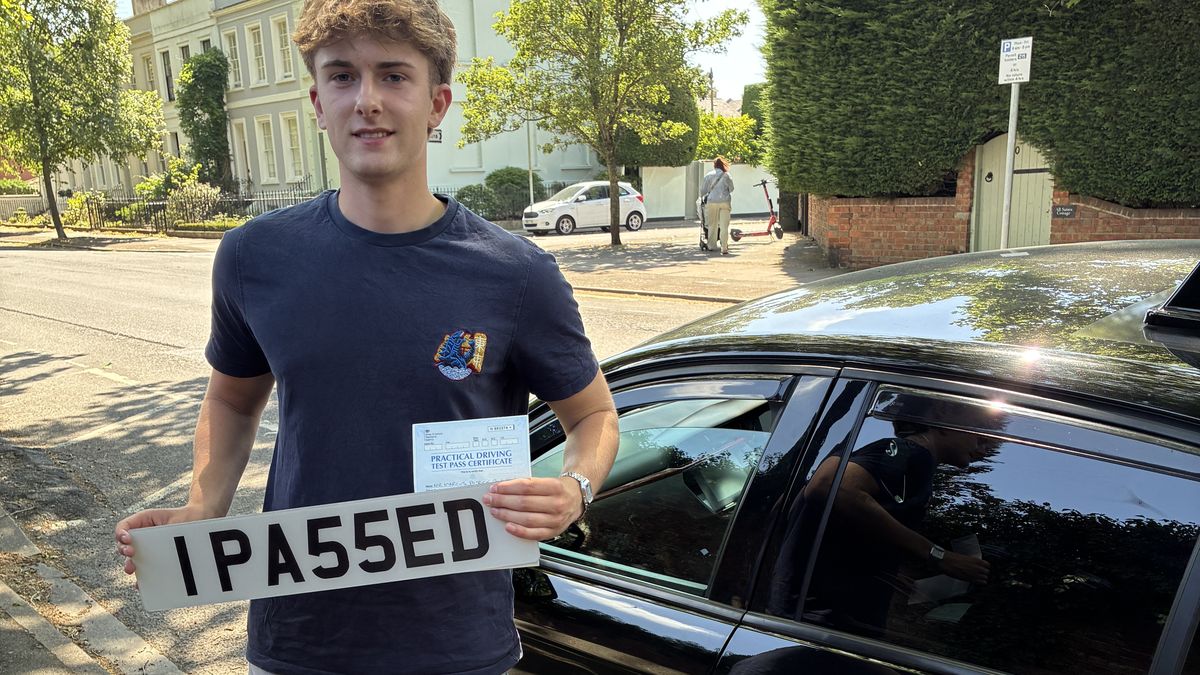
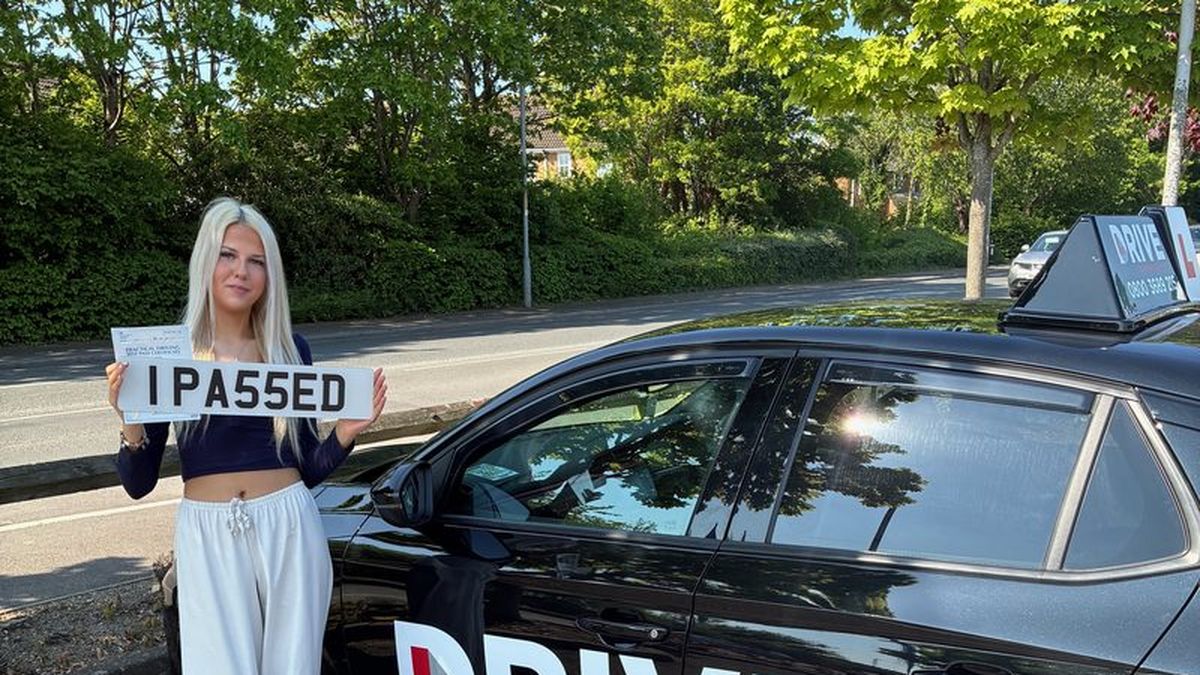
At the end, the examiner will tell you the result and talk you through any faults. If you pass, congratulations, and yes, there will be a photo with the I PASSED plate. If it is not your day, we will go through the feedback together, focus on what needs work and get you ready for the next one.
Either way, you will have been well prepared. Trust your training and drive the way you know how.